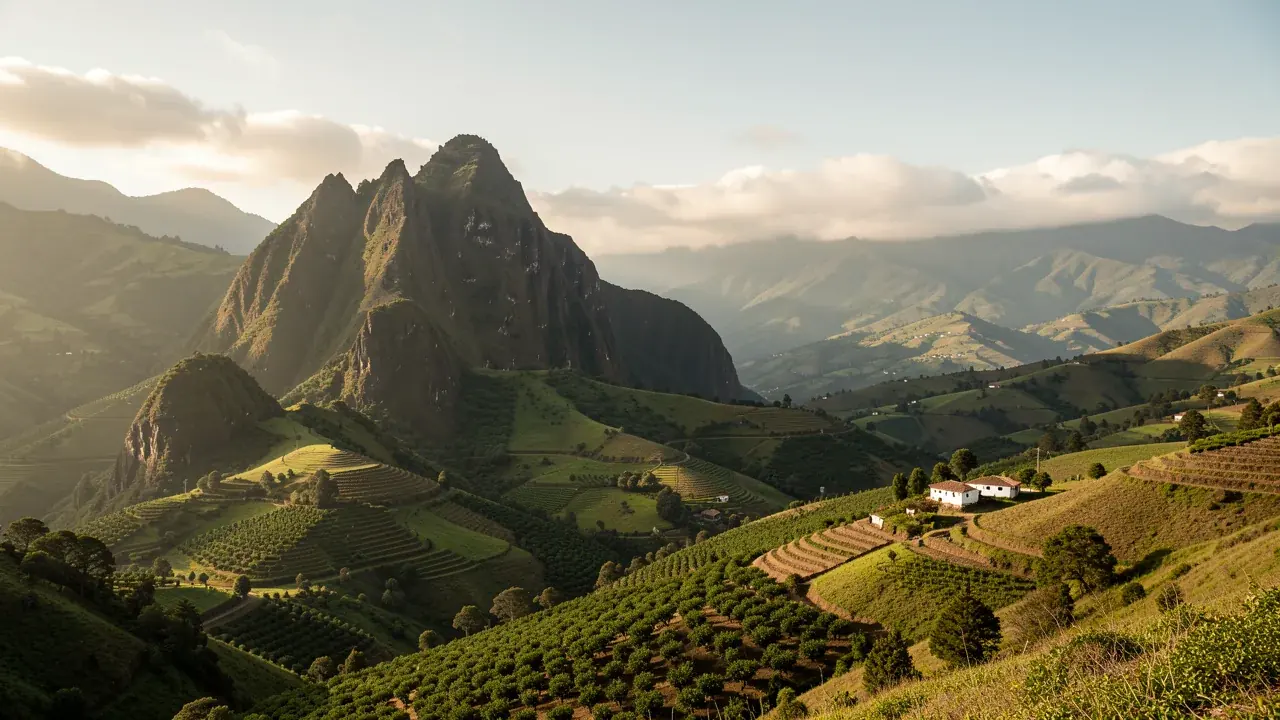
Ecuador is small enough to drive from the Pacific to the Andes in a morning, and varied enough that the three places people retire to feel like three countries. This guide compares them with the figures we could verify, not with promises.
The short version
- CoastSea level, warm and dry in Salinas (annual average about 25 °C / 77 °F), warm and humid farther north.
- ValleyVilcabamba at about 1,600 m (5,200 ft), annual average about 21 °C (70 °F). Spring most of the year.
- CityCuenca at about 2,560 m and Quito at about 2,850 m, annual averages near 16 °C (60 °F), hospitals, airports, UNESCO centers.
The coast: Salinas and Montañita
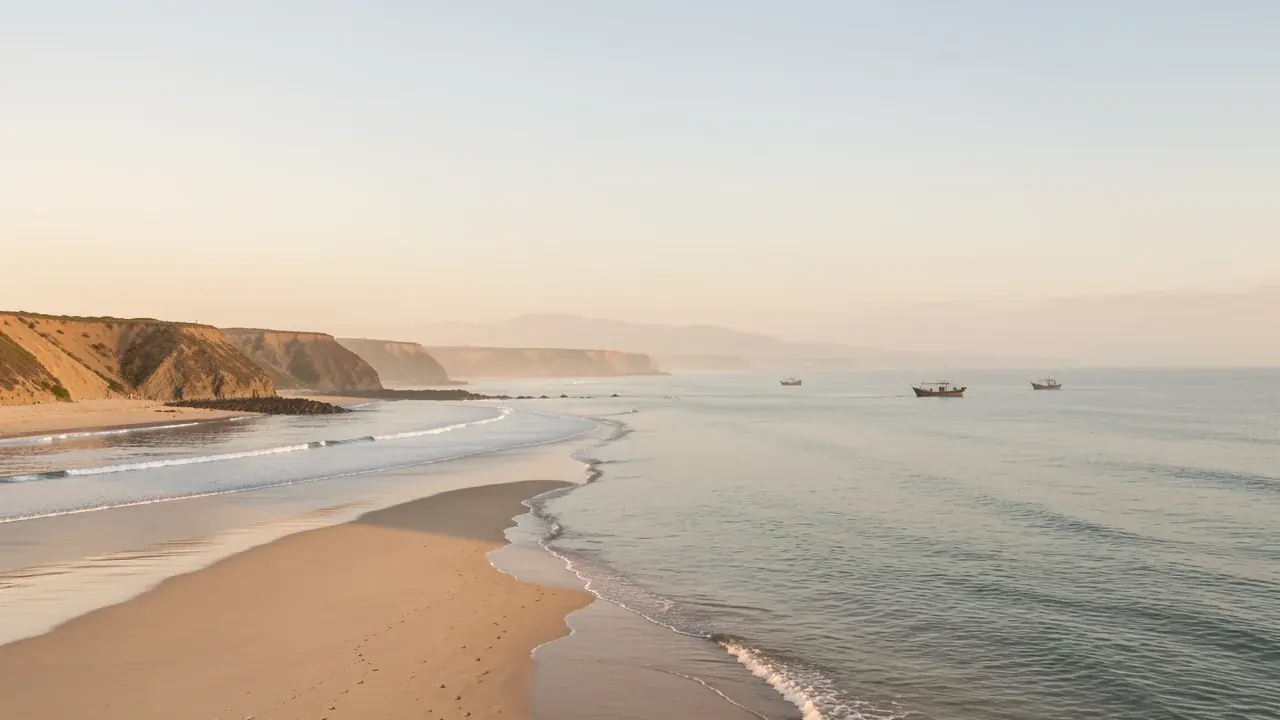
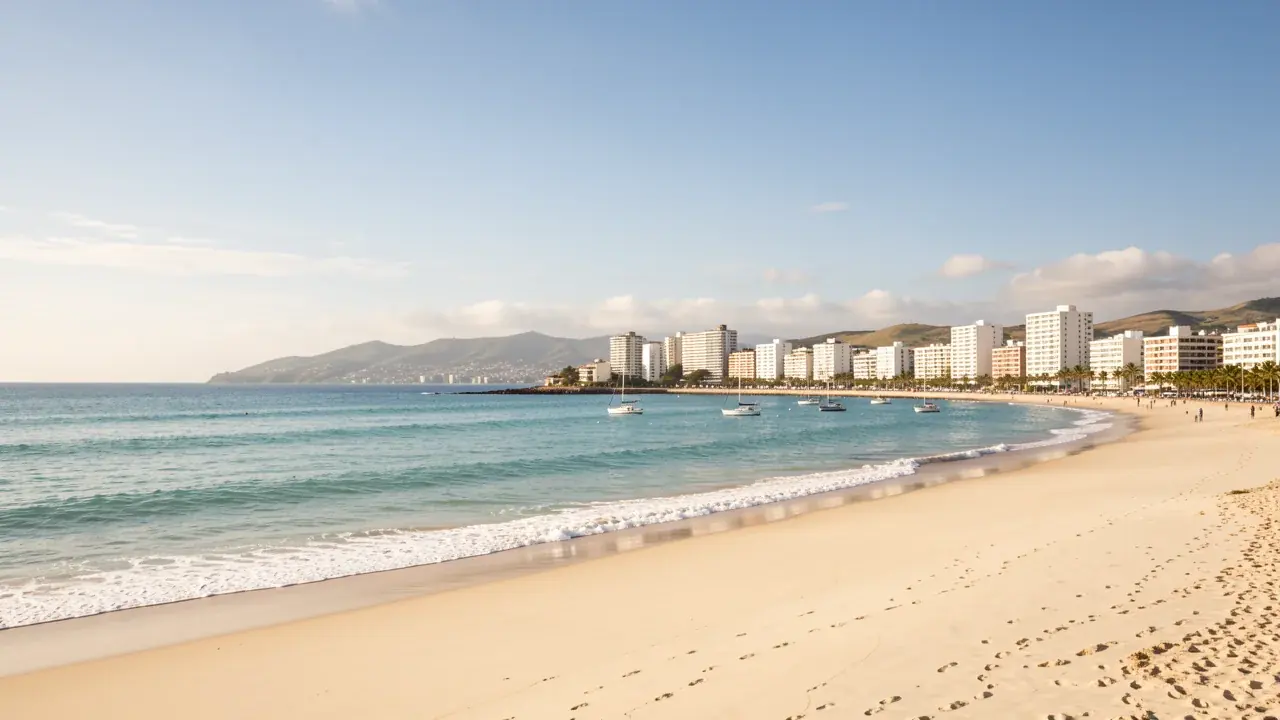
Salinas sits on the westernmost point of mainland Ecuador. Thanks to the Humboldt current the climate is warm and dry rather than hot and humid: an annual average near 25 °C (77 °F), warmer from January to March and cooler from July to August, with very little rain. It is an established resort with a yacht club and a mid-rise waterfront, and Guayaquil's international airport is about two hours by road.
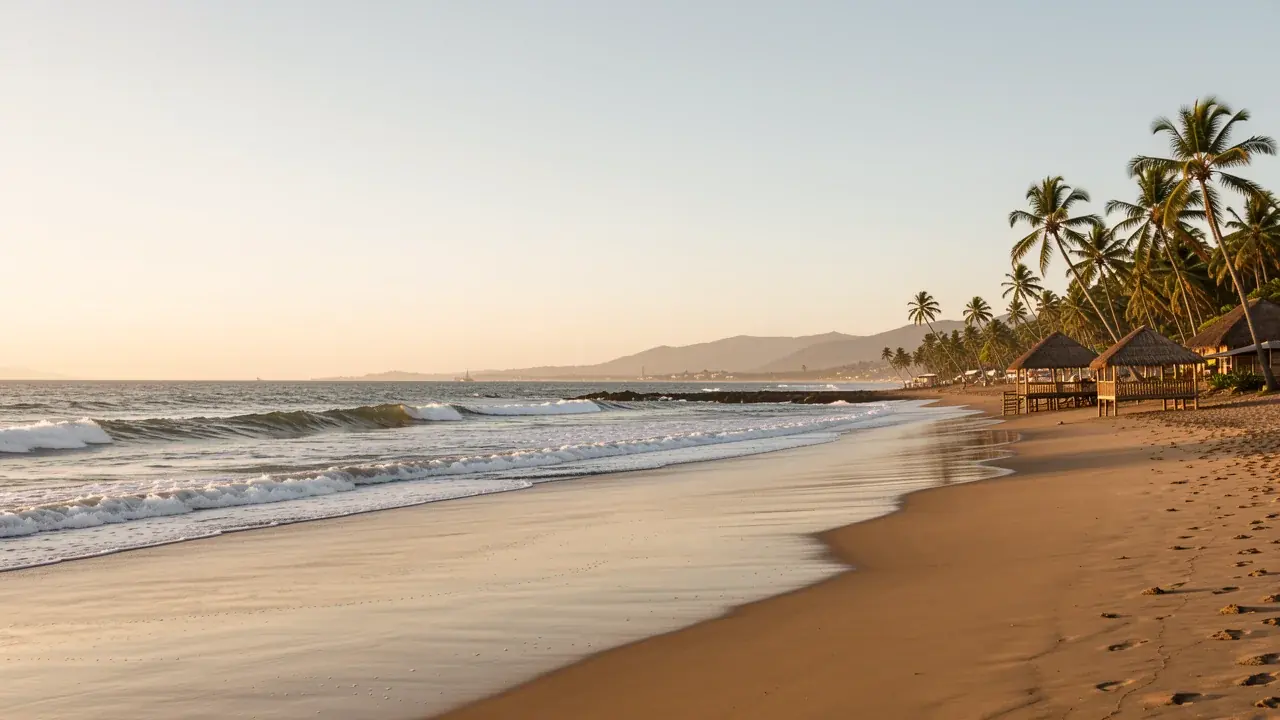
Montañita, about 180 km northwest of Guayaquil, is a small surf town with an average around 28 °C (82 °F) and a rainy season from December to May. People who settle near it usually choose a house a few minutes from the center, or the quieter towns just north.
Who chooses the coast: people who want the ocean every day, warm weather all year and a resort rhythm, and who do not mind a two-hour drive to a large hospital.
The valley: Vilcabamba and Loja
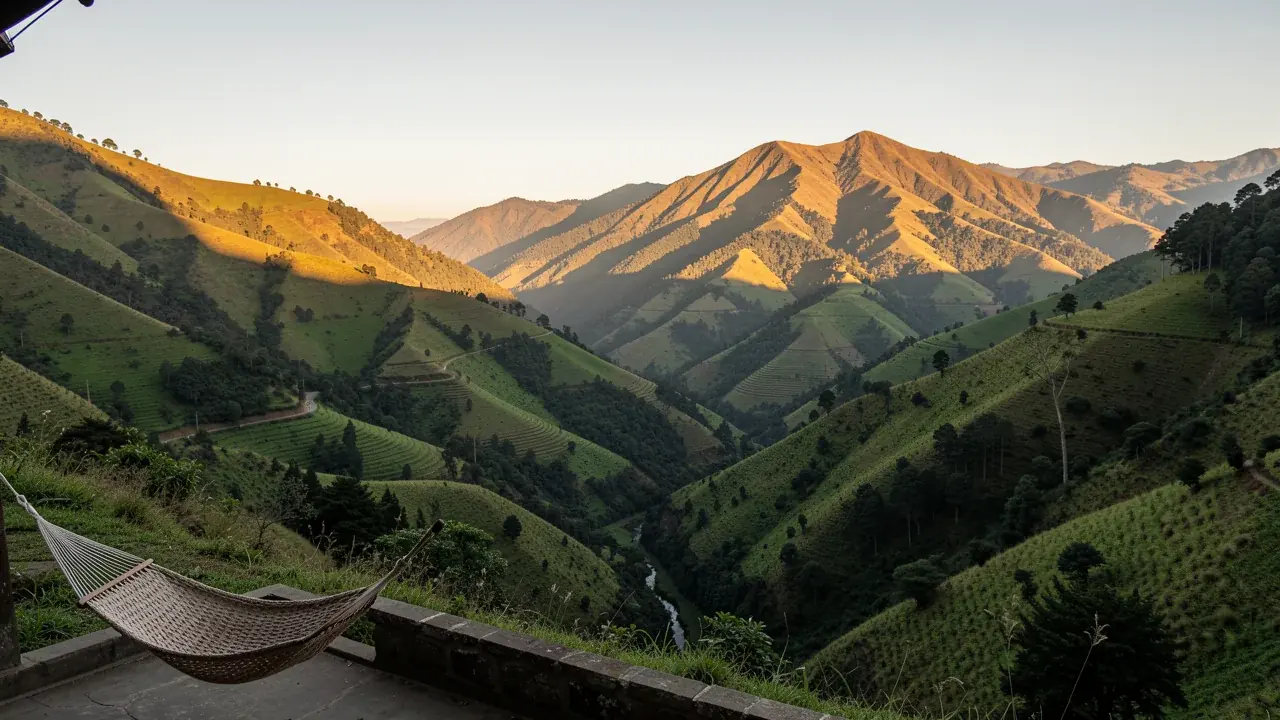
Vilcabamba is a parish of Loja canton, about 45 km south of the city of Loja, at about 1,600 m (5,200 ft). The annual average is near 21 °C (70 °F), with the warmest afternoons around 28 °C and the coolest nights around 12 °C. It is often called the Valley of Longevity; the nickname is older than the research, which found ordinary life expectancy and an extraordinary quality of life.
There is an established community from the United States and Canada, so you do not arrive to an empty town. Projects here are built by our local partner VilcaBuild. See a day in Vilcabamba.
Who chooses the valley: people who want spring weather, a garden, a slower pace and a small community, with Loja and its services under an hour away.
The city: Cuenca, Quito and Guayaquil
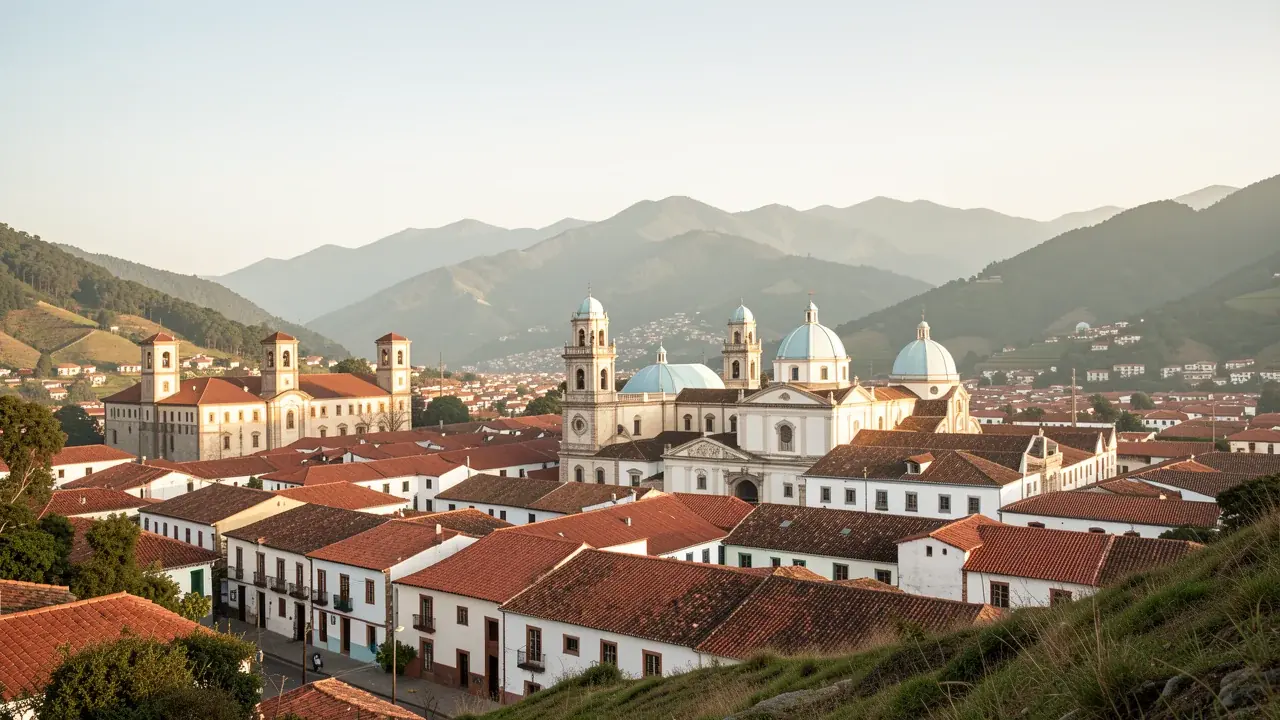
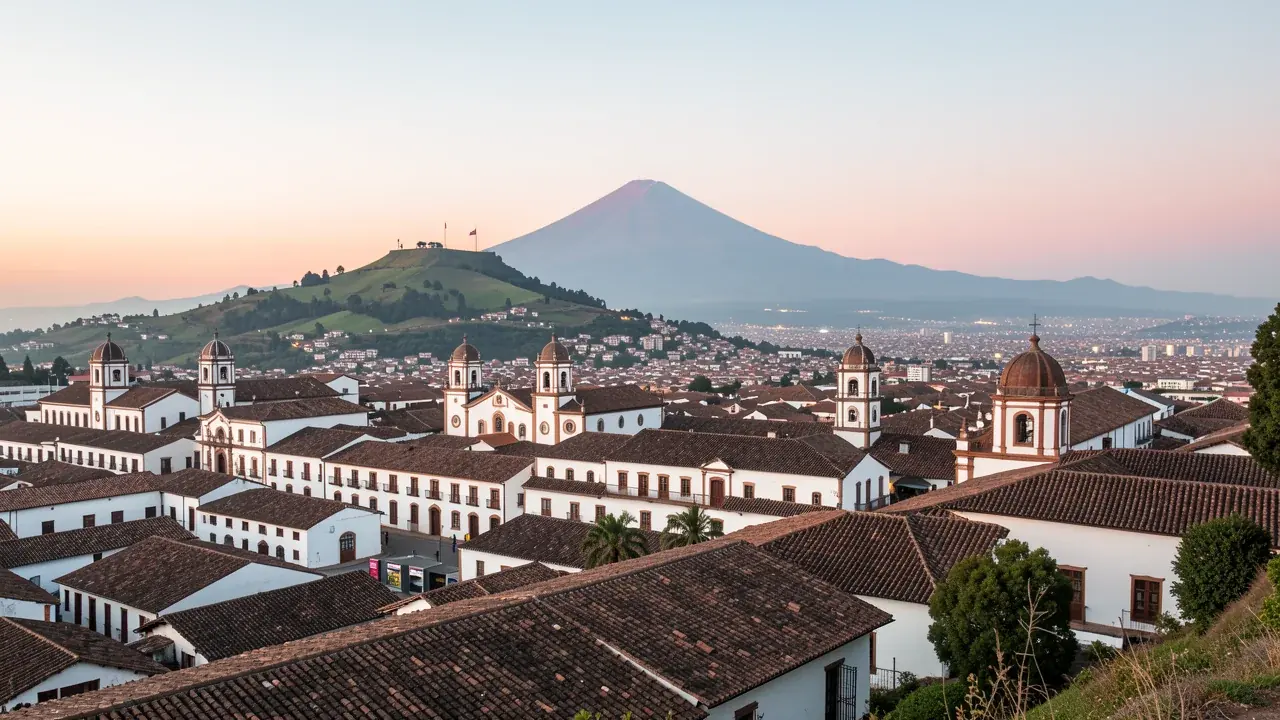
Cuenca is the city most people from the United States name first. At about 2,560 m (8,400 ft) the annual average is near 16 °C (60 °F): days around 21 °C, nights around 11 °C, no heating season and no air conditioning. Its historic center was declared a UNESCO World Heritage Site in 1999, and local publications estimate several thousand foreign residents.
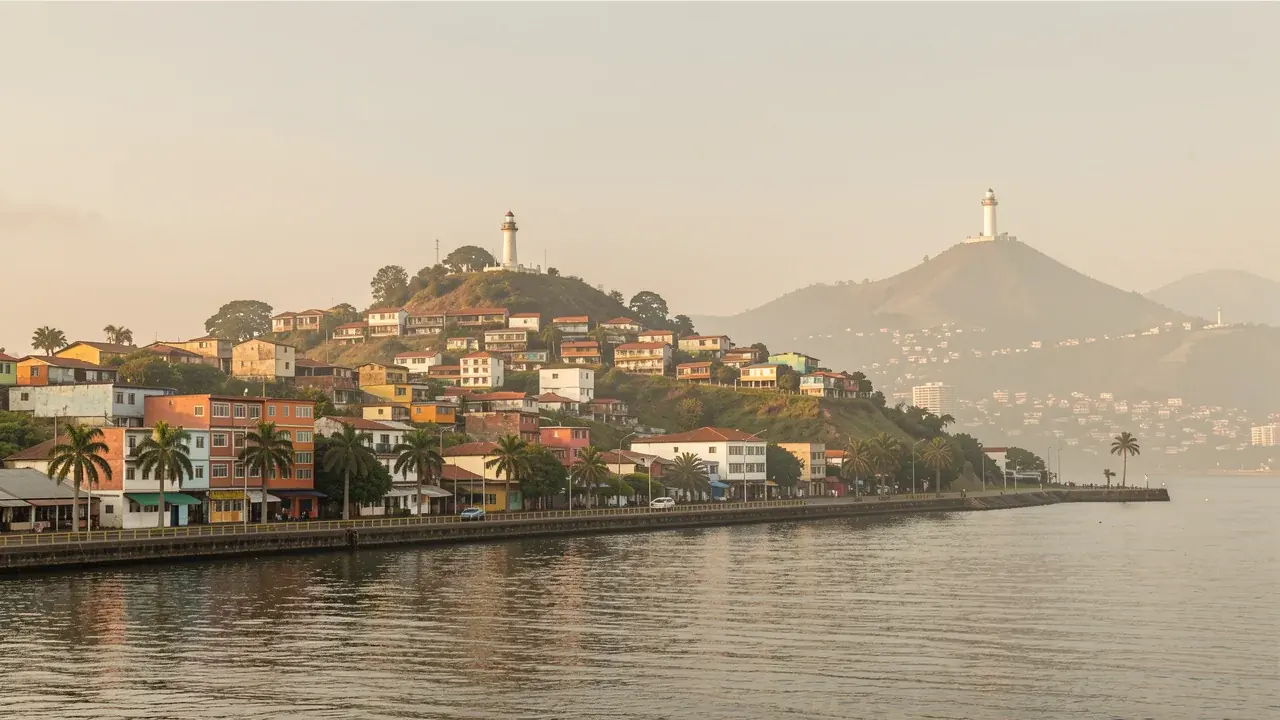
Quito, the capital, is slightly higher at about 2,850 m (9,350 ft) with a similar average and cooler nights near 9 °C. Its historic center was among the first UNESCO World Heritage Sites, in 1978, and Mariscal Sucre International Airport connects daily with the United States. Guayaquil, near sea level on the Guayas river, is the largest city and main port, warm all year (annual average near 26 °C / 80 °F), with the beaches two hours away.
Who chooses a city: people who want hospitals, daily flights, restaurants and a community already in place, and who prefer mild weather over beach heat.
How to decide
Visit two of the three. A week on the coast and a week in the Andes tells you more than any guide, including this one. Then tell us which one felt like home and we will send you what is available there, ready to buy or as a lot to build on.
Figures in this guide come from public sources (Wikipedia climate tables citing INAMHI and local stations, 2022 census) and are rounded. They are general information, not advice. Sources are listed in our project brief.